
Why Weight Regain Is Common And How To Prevent It
When compared to weight loss maintenance, weight loss is easy. Six out of every seven overweight people will lose significant weight in their lifetimes. Weight regain, on the other hand, is statistically prevalent in 80% of people within a year of weight loss, 85% within two years, and 95% within three years. Of the people who revert back to their previous weight, ⅓ to ⅔ of them regain even more weight than before they began trying to lose weight. In this article, I will explain why and what you can do to prevent it.
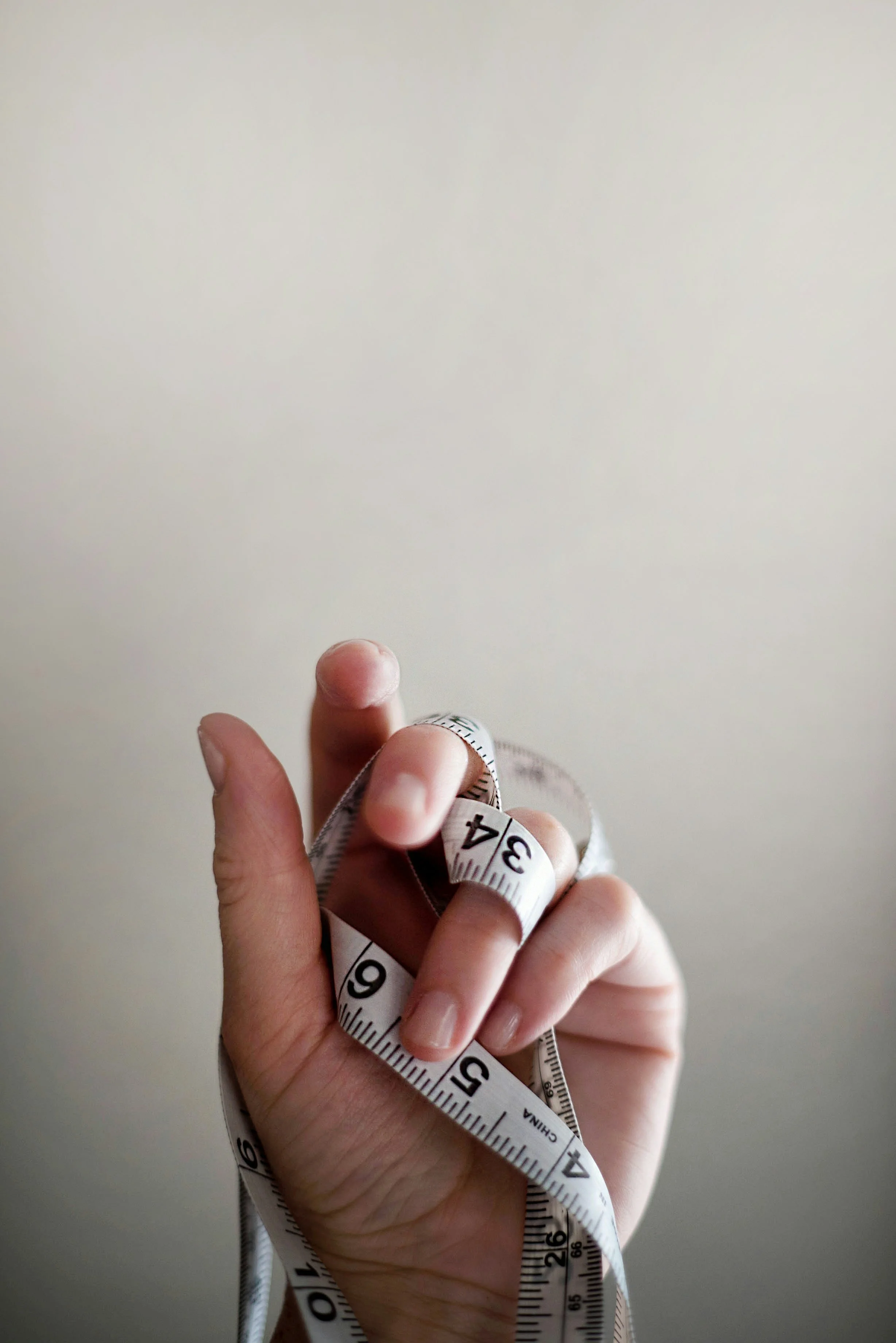
If you’ve ever worked your socks off to lose weight only to regain it within a year or two, you need to know that it is not your fault.
Thousands of years ago, food was extremely hard to come by for our hunter-gatherer ancestors and eating a few hours after a meal was never guaranteed. In fact, the concept of regular meals is a relatively new one in evolutionary terms. The good news - back then - was that humans evolved a metabolic system that protected them from starvation and death. When food was limited, metabolism slowed down to conserve as much energy/calories as possible. When large amounts of food were consumed, energy/calorie stores were rapidly replenished. Having already experienced scarcity, the stored energy/calories would then be even more fiercely guarded in future to prevent starvation when food became limited again.
This is bad news today because our genetics have remained the same. We are still hard-wired for potential scarcity, hence the strong inclination to gorge despite the unprecedented abundance of food.
As a further insurance policy against starvation and death, our bodies evolved a three-pronged self-defence system which Dr Layne Norton describes as - defend, restore and protect. It explains why the body resists fat loss and how it acts to regain weight after dieting.
The body perceives dieting as a threat (potential starvation) and, therefore, initiates mechanisms to:
Defend existing fat stores (via periodic weight plateaus throughout a weight-loss diet).
Restore lost weight (typically within up to two years of reaching goal weight).
Make future fat loss more difficult (to protect the body from future “starvation”).
This is NOT a criticism of dieting, by the way. It simply highlights the fact that the rapid evolution of the world we live in today (and our food systems) have far outpaced the evolution of our physiology.
It also highlights the need for strategies that bypass our bodies' well-meaning but outdated tendencies.
When fat cells shrink, the hormone responsible for keeping you satisfied after eating (leptin) reduces. This reduces metabolic rate (to conserve energy/calories) and increases hunger. These events are designed to drive the body back towards a level of body fat that it is most accustomed to and at which it most naturally sits. Other systems that promote fat storage also come into play. The defended weight is called the body fat set point and it is unique to each person.
I cannot stress enough just how important it is to avoid crash or yo-yo dieting in the first place or increasing calories too quickly after any weight loss diet. All of these scenarios will activate the self-defence system described above and this system gets stronger each time it is activated, causing cumulatively more and more extra weight gain with each subsequent weight-loss diet.
Here’s how to join the 5% of people who maintain their hard-earned weight loss:
Choose a healthy diet that you can sustain long-term. Studies show that the diet you’re most likely to adhere to is the best one.
Engage in some form of self-monitoring behaviour. This includes counting calories, tracking macros, portion control or weighing yourself regularly.
Plan ahead. This includes meal planning, batch cooking, looking at menus online before eating out (to see what your caloric “budget” will accommodate) and having strategies for predictable annual events (e.g. Christmas).
Reinvent yourself. Albert Einstein once said, “We cannot solve our problems with the same thinking we used when we created them.” Imagine what the future, healthier version of yourself would be like and adopt the habits of your future self today.
Create a supportive “village”. Weight loss is a team sport and we are the sum of the five people we spend the most time with. Spend more time with people who are on a similar path and encourage you on yours.
Trust the process. There will be zigzags (weight fluctuations, etc.) along the way. Progress doesn’t happen in a straight line. It will feel as though this is the longest journey you’ve ever been on but you’ll get there. Keep your chin up and keep going.
Set goals and re-evaluate them as necessary. You’ve lost the weight. Now what?
Reverse dieting (a term thought to have been coined by Alberto Nunez) is the gradual increase in calories to increase metabolic rate while keeping weight gain to a minimum. It is best suited to people who:
Are on maintenance calories that are too low to be sustainable in the long term post-diet
Have a significant amount of weight to lose, are not yet at their goal weight and are experiencing “diet/deficit fatigue”
A reverse diet enables those who have reached their goal weight to increase their metabolic rate and, therefore, maintain their goal weight on a higher (and much more sustainable) calorie intake. Not only does this make weight maintenance far easier, but it also makes weight loss more effective in the future. This is a win-win because any weight gained as a by-product of the reverse diet (which is usually minimal) can easily be lost if desired. Dieters who take a reverse diet break also reap the same benefits. Weight gained during a reverse diet (no matter how small) can be so unsettling that it can sow seeds of considerable doubt. Work with a nutritionist and trust the process.