
Tips For Effective DIY Gym Workouts
The internet is full of magical exercises and workouts that, supposedly, will completely transform you in 30 days. The truth is a lot less sensational, I’m afraid. There are a few tried-and-true basic exercises known to be effective when executed consistently for an extended period. No bells, no whistles and no set deadlines - just foundational exercises that will help you get stronger if you repeatedly put in the hours. This article tells you what they are, how to incorporate them into a workout plan and how to personalise them for your needs and abilities.
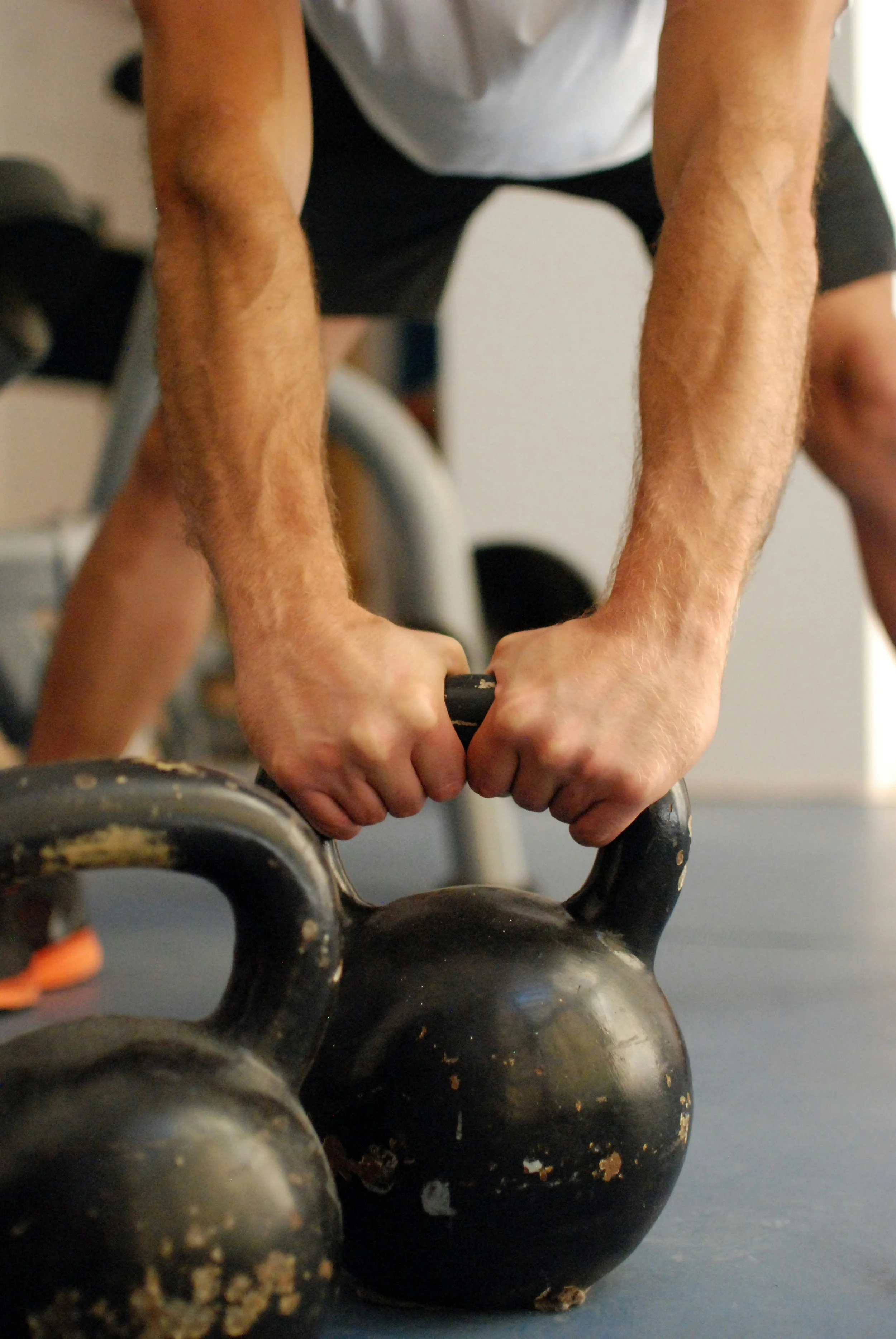
You've been building a stronger body (and your confidence) at home with a few weights and some resistance bands.
You're starting to see some significant progress and you feel the time has come to join a gym and take things up a notch.
Perhaps you're not ready to work with a personal trainer just yet. You want to get used to being in the gym and working out in front of strangers first, while progressing further with your fitness goals.
Contrary to popular opinion, when it comes to getting stronger, losing fat and keeping it off for good via exercise, the rules are simple and universal. The following apply to both men and women, young and old, at any phase of life.
Step 1: Assess your skill and experience.
BEGINNER
Experience: Up to 2 months
Time away from exercising: 8 months or more
Skill: Getting there
INTERMEDIATE
Experience: 2 - 12 months
Time away from exercising: 4 - 8 months
Skill: Good
ADVANCED
Experience: 1 - 3 years
Time away from exercising: 1 - 4 months
Skill: Very good
Step 2: Craft a workout plan based on the following guidelines.
BEGINNER
A minimum of 150 minutes of moderate-intensity aerobic exercise a week
OR
75 minutes of vigorous aerobic exercise a week
OR
An equivalent combination of moderate and vigorous aerobic exercise a week
PLUS
Resistance training of moderate or greater intensity involving all major muscle groups at least twice a week
OR
Full-body resistance training twice a week
INTERMEDIATE
A minimum of 150 minutes of vigorous intensity aerobic exercise a week
Resistance training of moderate or greater intensity involving all major muscle groups 3 - 4 times a week with 8 - 12 reps per exercise
ADVANCED
A minimum of 150 minutes of vigorous intensity aerobic exercise a week
Resistance training of high intensity involving all major muscle groups 4 - 6 times a week, personalised with your specific goals in mind
Step 3: Include at least one exercise from each of the following categories in your workout plan.
Equipment required: dumbbells, kettlebells and a bench
SQUAT
Basic squat (without weights): Stand with feet slightly wider than shoulder-width apart, toes pointed outward. Push the hips backwards with the crown of the head facing the ceiling as you lower your torso between your thighs. Spend 3 seconds on the descent and one second coming up to standing. Repeat for the recommended number of reps.
Goblet squat: Hold a kettlebell at chest height - but a short distance away from the chest - by holding the sides of the handle (or use a dumbbell) and proceed as in the basic squat. Repeat for the recommended number of reps.
Split squat (with or without weights): Step one foot behind you, keeping a soft bend in the back leg and placing most of your weight on the front leg. Make sure you’re standing on the ball of the back foot with the heel raised. Lower yourself to the floor by bending the back knee, stopping when the front knee is roughly at a 90° angle. Return to standing by pushing through the back foot, keeping a soft bend in the back leg (to avoid locking the knee) and keeping the body vertical. Spend 3 seconds on the descent and one second coming up to standing. Repeat for the recommended desired reps (see below) before switching legs. If using weights, perform the exercise as above while holding a dumbbell (or kettlebell) in each hand with palms facing each other.
HINGE
Romanian deadlift (RDL): Stand with feet hip-width apart, holding two dumbbells against the front of your thighs while maintaining a neutral spine. Push your hips back as you lower your torso, allowing the dumbbells to lower towards the floor. Once the dumbbells are just below the knee, allow the knees to bend slightly so that the dumbbells finish at about shin level. Spend 3 seconds on the descent and one second coming up to standing. Repeat for the recommended number of reps
Kickstand Romanian deadlift: Holding a dumbbell in each hand with palms facing the thighs, step one foot behind you, keeping a soft bend in the back leg and placing most of your weight on the front leg. Make sure you’re standing on the ball of the back foot with the heel raised. Transfer most of your weight over your front leg and push your hips back while hingeing forward as you lower your torso, keeping the dumbbells close to the front leg. Push your hips forward to come back up to standing and repeat for the recommended reps before switching to the other leg.
PUSH
Chest press (unilateral or alternating): Lie on a bench with feet flat on the floor, holding a dumbbell in each hand (and in line with the shoulders) with palms facing forward. Arms should be straight (without locking the elbows) and your knuckles facing the ceiling. Push dumbbells towards the ceiling - with elbows extended but not locked - and knuckles facing upwards, keeping hands at nipple level. Lower under control and repeat for the recommended number of reps. For alternating presses, do the same but with one arm, then the other.
Overhead press (bilateral or alternating): Stand with feet wider than hip-width apart and position dumbbells at ear level with palms facing forward and a neutral spine. Push dumbbells to the ceiling - with elbows extended but not locked - and knuckles facing upwards. Lower under control and repeat for the recommended number of reps. For alternating presses, do the same but with one arm, then the other.
Tricep extension (standing, seated or lying down): Cup the end of a dumbbell with both hands and stand with feet about shoulder-width apart or sit on a bench. Suck your belly button in towards your spine and lift the dumbbell above your head by extending your arms with your palms facing the ceiling. Bend your elbows to lower the dumbbell behind your head, keeping your upper arms still and only allowing your forearms to perform the movement. Return the dumbbell to the starting position and repeat for the recommended number of reps. You could also do this exercise while lying on a bench with your feet flat on the floor. Hold one dumbbell aloft in each hand. Arms should be straight (without locking the elbows) and your knuckles facing the ceiling. Lower each dumbbell to the side of each ear and raise them back up to the starting position for the recommended number of reps.
PULL
Rows (unilateral or bilateral): For unilateral rows, stand with feet hip-width apart and hold a dumbbell in one hand with the palm facing the side of the thigh, while maintaining a neutral spine. Push your hips back as you lower your torso with a soft bend in the knees. Pull the dumbbell back towards your trouser pockets would be (making sure that the shoulders remain level) and repeat for the recommended number of reps. You could also place your free hand on a bench for greater stability during the exercise. For bilateral rows, row towards the trouser pocket area with both hands simultaneously.
Pullovers: Lie on a bench with feet flat on the floor, holding one dumbbell aloft with both hands. Arms should be straight (without locking the elbows) and your knuckles facing the ceiling. Lower the dumbbell behind the head and raise it back to the starting position for the recommended number of reps.
Bicep curls: Stand with feet hip-width apart, holding a dumbbell in each hand with your palms facing forward. Keeping your arms close to your sides (and your elbows in the same position throughout), raise the dumbbells towards your chest and lower to the starting position. Repeat for the recommended number of reps.
LUNGE
Forward (alternating - with or without weights): Step one leg forward, keeping the upper body erect. Lower the body (while still keeping it erect) by simultaneously bending both the front and back knees until each leg forms a right angle. Push off from the front foot and return to the starting position. Repeat on the opposite leg and repeat for the recommended number of reps. If using weights, hold a dumbbell in each hand with each palm facing the side of each thigh.
Walking (with or without weights): Step one leg forward, keeping the upper body erect. Lower the body (while still keeping it erect) by simultaneously bending both the front and back knees until each leg forms a right angle. Take another step forward with the other leg and repeat the lowering movement by bending both the front and back knees until each leg forms a right angle. Repeat the walking lunges for the recommended number of reps. If using weights, hold a dumbbell in each hand with each palm facing the side of each thigh.
CARRY
Farmer’s carry (unilateral or bilateral):
Step 4: Choose from the following recommended rep/set ranges
5- 6 exercises per workout
2 - 3 sets for each exercise
6 - 12 reps for each full-body exercise (squat, split-squat, Romanian deadlift, chest press, farmer’s carry, lunges)
10 - 20 reps for each isolation exercise (rows, bicep curls)
Step 5: Rinse and repeat - for a minimum of 6 weeks
Consistency compounds consecutive improvements over time. Remember - little by little, a little becomes a lot.
Step 6: Ditch perfection
It’s the lowest possible standard because it can never be attained. Accept that not every workout has to be a 10/10 to give you results and keep going. Consistency trumps perfection every single time.
Putting all of the above together, here’s what the training split could look like in practice:
Monday: Full-body resistance training
Tuesday: Low-impact cardio
Wednesday: Full-body resistance training
Thursday: High-impact cardio
Friday: Full-body resistance training