
A Beginner’s Guide To Outdoor Exercise
For the majority of history, human beings have co-evolved with and depended on nature for their survival. It is no coincidence, then, that the more we have sought to distance ourselves from it, manipulate and even obliterate it, the sicker we have become. From walking to resistance training, moving our bodies in our natural habitat (outdoors) can amplify both the experience and the benefits. This article shows you how to make the great outdoors your very own gym.
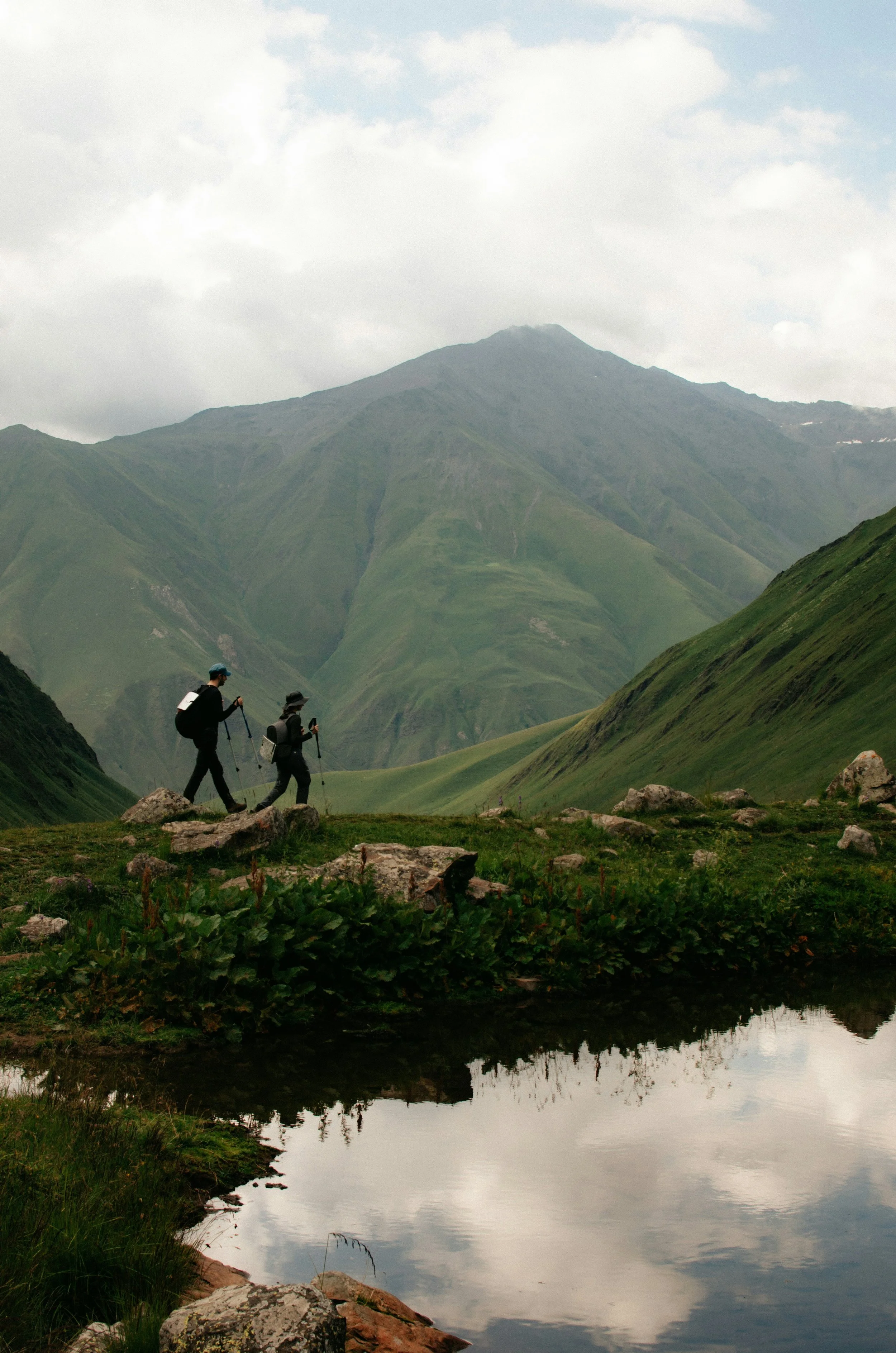
The benefits of exercise in general are well-documented. The fact that most exercise is taken indoors doesn’t diminish these benefits. Modern life tends to keep us indoors most of the time and, therefore, separate from the additional healing and restorative power of nature.
I am not suggesting that exercising outdoors is better than doing so indoors. Each have their pros and cons and we can have the best of both worlds. Below are some of the perks of opting for fitness activities in nature:
Exposure to a wide variety of terrain. Uneven ground and an array of textures underfoot offer new stimuli for the nervous system and muscles, which have to adapt on the fly. Walking, running or cycling outdoors requires a very different set of mental and physical skills that cannot be replicated in a gym.
Exposure to fresh air and natural light. This results in improved sleep/recovery and an increase in vitamin D levels, which has a positive knock-on effect on immunity and mood.
Greater adaptation to temperature and weather conditions. With enough exposure to the elements (in the right clothes, of course!), cold air becomes invigorating and drizzle on your face can actually be pleasurable.
A feast for all the senses. Changes in landscape, sights, sounds and smells awaken parts of the brain in ways that nothing else can.
Exercising outdoors doesn’t have to be an extra item on your to-do list, by the way. It can become part of your everyday life with some creativity and planning. Here are a few ideas:
Run errands - literally. Walking (or running) to shops, for instance, means you’ll have to put in extra effort to bring your purchases home - especially if you are shopping for the week. You can bring a backpack or go with someone who can share the load.You could also take/pick up parcels to/from the Post Office on foot, depending on how big/heavy they are and what you feel you can manage over a certain distance. Try to do this in progressively thinner-soled shoes until your feet feel strong enough for barefoot ones. Barefoot shoes have ultra-thin soles and, therefore, enable your feet to feel the terrain they are walking on. This sends sensory feedback to your brain, which helps advise your body on appropriate adjustments to your gait, greatly minimising the risk of injury. Enhance the experience by taking the scenic route (if one exists nearby) through a field, park, the woods or even a tree-lined road/path.
Try a hybrid outdoor workout. This works best in a park or a field with a group of like-minded friends. Sprinkle in bodyweight exercises (like squats, walking lunges, pushups, planks, burpees, bear crawls, etc.) between brief periods of running. Enhance the experience - and benefits - by having an alfresco post-workout
snack or meal together.
Make cycling fun again. Remember how it felt riding your very first bike? The blissful feeling of freedom? The wind in your hair? All your cares melting away? Recreate the magic by making solo expeditions into previously uncharted corners of the great outdoors on your bike. Start a routine of finding idyllic spots to explore with family/friends on your bikes. You’ll have a great time reconnecting with nature, yourself and your loved ones and you’ll improve your cardiovascular fitness, too.
Join a recreational sports team/league. This can be done via social platforms like Meetup and GO Mammoth or social sports apps. Aside from offering opportunities for outdoor exercise, sports like football, ultimate frisbee, tennis, etc. also offer:
A range of planes of movement (forward/backward, side-to-side and rotational) for a great full-body workout
Teamwork and social connection, which we all need to thrive